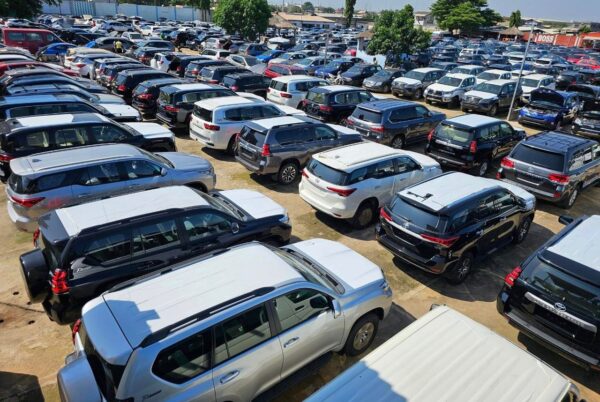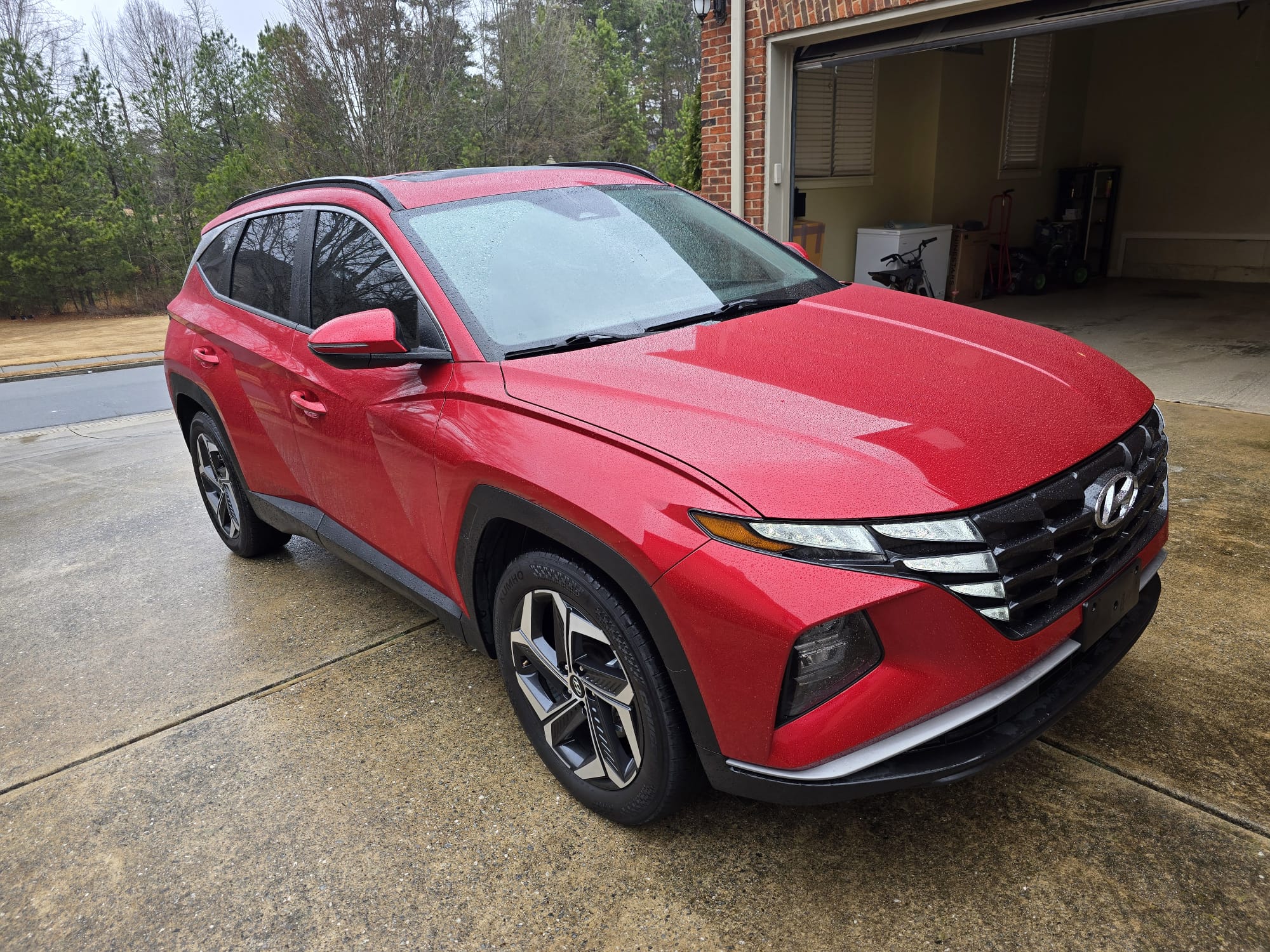

In Ghana, a car isn't just a mode of transport; it's a teammate in a daily battle against diverse road conditions. Whether you're navigating the paved but pothole-prone streets of Accra or the rugged paths in the Ashanti region, your choice of vehicle can mean the difference between a smooth ride and a costly repair bill.
1. Ground Clearance is King
Between speed bumps (some as tall as mountains) and the rainy season's deep puddles, low-clearance sedans often struggle. Choosing a vehicle with high ground clearance ensures you don't scrape your undercarriage or get stuck in temporary urban floods.
"The 2021 Toyota Tacoma, with its legendary off-road heritage, is effectively over-engineered for Ghanaian cities—and that's exactly why people love it. It handles what the road throws at it without breaking a sweat."
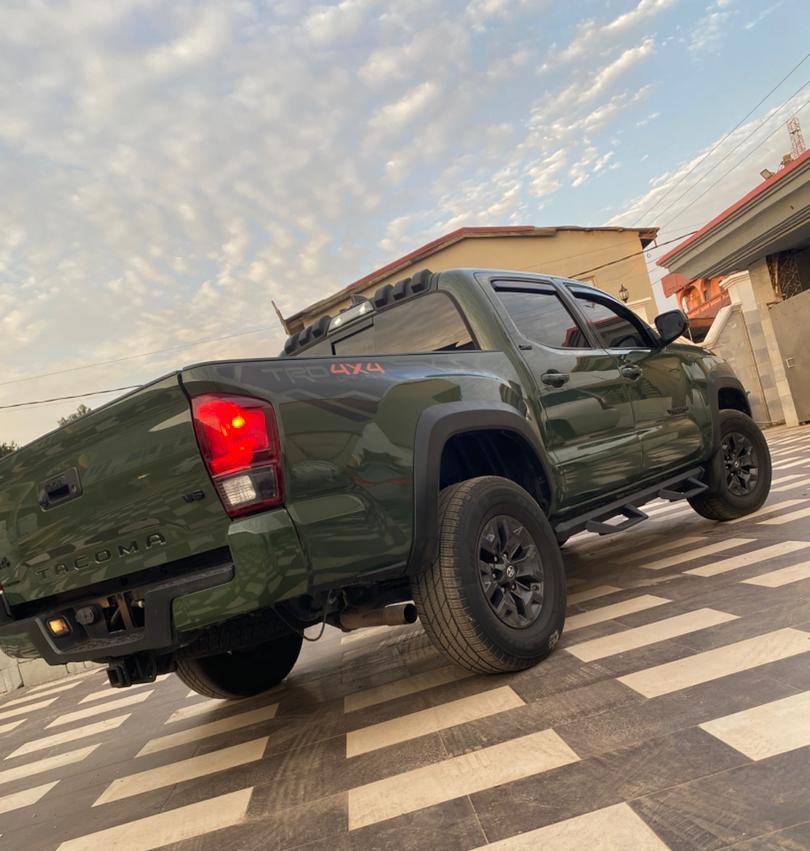
Editor's Choice
2021 Toyota Tacoma
GH₵ 470,000
Negotiable2. Suspension & Durability
A soft, luxury suspension might feel great on the highway, but it can be fragile. You need a chassis that can absorb impacts day after day. Trucks and SUVs built on "body-on-frame" platforms are inherently more durable for our environment.
3. AC Performance in Tropical Heat
In 32°C heat, "decent" AC isn't enough. You need powerful, reliable cooling. Some regions have cars built for cooler climates that struggle here; always ensure the car you're buying is equipped to handle tropical humidity and heat.
4. Resale Value and Parts Availability
In Ghana, availability of parts is a safety net. Brands like Toyota have a massive ecosystem of mechanics and spare parts (both new and used). This keeps maintenance costs down and ensures your car stays on the road instead of waiting weeks for a part to be shipped from abroad.