
Driving is one of the most complex tasks we perform daily. While modern vehicles are packed with safety technology, the most important safety feature of any car is the person behind the wheel. In our unique driving environment, staying vigilant and prepared is the key to a safe journey.
1. Maintain Your Distance
Tailgating is a leading cause of rear-end collisions. Maintain at least a three-second gap between you and the vehicle in front. In wet weather or heavy traffic, increase this to five seconds or more.
2. Regular Tire Checks
Your tires are your only contact with the road. Check your tread depth and tire pressure at least once a month. Worn or under-inflated tires significantly increase your braking distance and risk of a blowout.
Safety Highlight
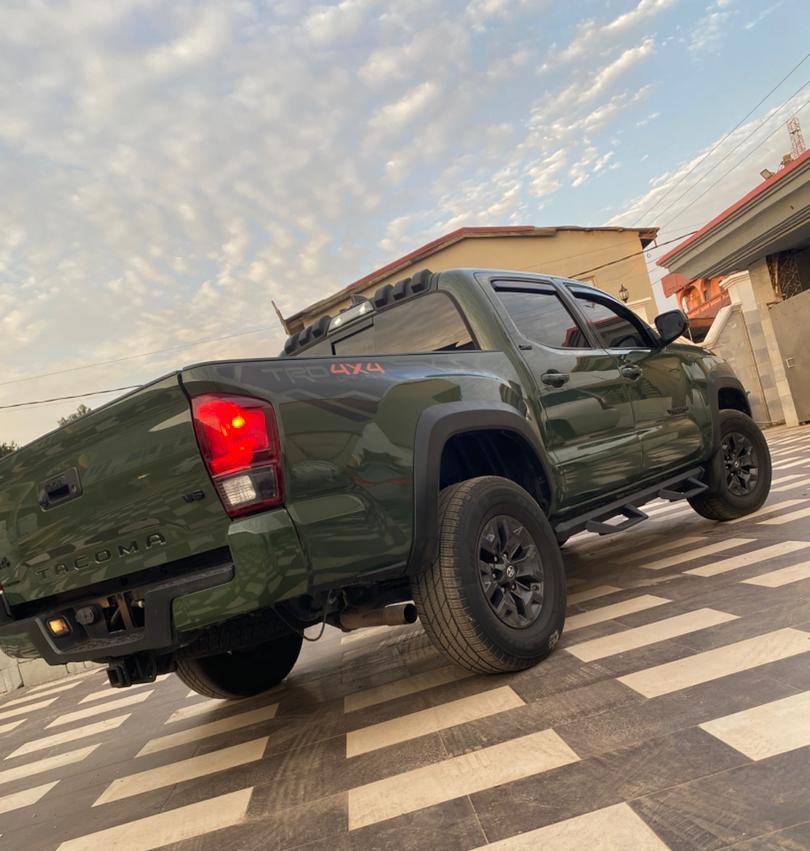
Editor's Choice
2021 Toyota Tacoma
GH₵ 470,000
Negotiable3. Use Your Turn Signals Properly
Communication is vital on the road. Always signal your intentions early to give other drivers time to react. This is especially important in heavy city traffic where lane changes are frequent.
4. Check Your Blind Spots
Never rely solely on your mirrors. Always perform a quick shoulder check before changing lanes or merging into traffic to ensure no vehicles or motorcycles are hidden from your view.
5. Avoid Distractions
Your focus should be 100% on the road. Avoid using your mobile phone, eating, or engaging in deep conversations that take your eyes or mind off the task of driving.
6. Defensive Driving
Always assume other drivers might make mistakes. Pay attention to the behavior of vehicles several cars ahead of you to anticipate potential hazards before they reach you.
7. Proper Use of Lights
Ensure all your lights are functional. Use your headlights during dawn, dusk, and rainy weather even if you can see, as it helps others see you.
8. Keep Your Windows Clean
A dirty windshield can cause significant glare, especially at night or in direct sunlight. Regularly clean your windshield and secondary windows to maintain maximum visibility.
9. Buckle Up—Every Time
It sounds basic, but seatbelts are the most effective life-saving device in a car. Ensure everyone in the vehicle is properly buckled up before you put the car in gear.
10. Know Your Car's Limits
Every car handles differently. Whether you're driving a compact sedan or a heavy SUV, understand how it reacts to braking and steering in different weather conditions.
#RoadSafety #DriverTips #BestRideGH #DefensiveDriving #CarSafety #SafetyFirst #GhanaRoads #SafeDriving